
Hey DGC!
Lactobacillus is a genus of beneficial bacteria. They are found pretty much everywhere and there are even some inside your digestive system right now! In fact, Lactobacillus bacteria are in many probiotic supplements and play an important role in the production of many common foods. In the garden, Lactobacillus serum can be used as a digester, helping break down organic matter and turn it into a form that is available to your plants. Since Lactobacillus bacteria are everywhere, it’s easy to make a concentrated culture you can use around your home and garden, and all you need is a few basic ingredients you probably already have in your kitchen. I originally saw this recipe at www.theunconventionalfarmer.com and have since come across a few similar recipes on other sites.
It’s good stuff and it’s easy to make! Let’s do it!
Things You Will Need:
- Water
- Rice (any kind will do)
- Sugar or molasses (most varieties seem to work fine)
- Milk (any kind except lactose-free)
- Some glass jars or storage containers
Optional but helpful:
- Turkey baster
- Strainer
- Airlock or 1-way venting lid for your container
Step 1: Gather Wild Bacteria
The middle layer is what we are after, so separate it from the rest and move it to a larger jar or container. The easiest way is to use your turkey baster to suck it up and transfer it to a jar. If you don’t have a baster, you can skim the top layer off and carefully pour the middle layer into a new container. However, you do it, try to isolate the middle layer. It doesn’t have to be perfect, so just do your best to separate the middle layer without taking too much of the top or bottom layers.
Rinse a cup or so of rice in a few cups of water. The water will get cloudy as it picks up starches from the rice. Remove the rice and cook it for dinner or throw it into your compost pile. What we are after is the starchy water.
Take your dish of starchy water and find a safe place you can leave it for 3-7 days. I suggest somewhere warm and out of the way so it doesn’t get spilled or disturbed. I usually keep mine in the kitchen on top of the fridge since it’s slightly warm and will stay undisturbed. Bacteria from the environment will be attracted to the starchy water and will colonize the liquid in your dish.
After a few days, the liquid will start to separate into three distinct layers:
Top: Floating solids and maybe a little mold or funky stuff growing.
Middle: Cloudy liquid full of native bacteria, including Lactobacillus.
Bottom: Sinking solids, rice bits, etc.

Step 2: Add Milk So the Lactobacillus Takes Over the Culture
Now that we have our culture containing a diverse group of native bacteria, it’s time to separate out the Lactobacillus. Lactobacillus LOVES milk, specifically the sugar lactose. By adding lots of milk to our collection of wild bacteria, we will encourage the Lactobacillus to take over and dominate the culture. Before long they will take it over completely, and we will be left with only the Lactobacillus we are after.
- In a large jar or container, combine about 10 parts milk to 1 part of your native bacteria culture from step one.
- For every 100 mL of culture from step one, you will need about one liter of milk.
- Measurements don’t need to be exact, but make sure to leave a few inches of room at the top of your container. Loosely cover it, but don’t seal it completely airtight. We are trying to keep outside air from getting in, but still want the container to be able to vent excess gas if it needs to. You could also use an airlock lid on your container like I am doing.
- Leave it undisturbed for 5-10 days at room temperature. After a few days, the bacteria + milk mixture will start to separate into layers. At the top, a cheesy layer will form, and the bottom will be a cloudy liquid, usually cloudy white with a little yellow tint to it.
- It will also start to smell like stinky cheese. Usually, the smell stays mostly in the container, but be aware this process does create some cheesy odor that you may find unpleasant. We are after the liquid layer, but the cheese layer is full of beneficial bacteria as well. It makes a great addition to your compost pile or soil. You could also probably eat it or feed it to your animals, but it smells pretty weird so I have yet to try it myself. It usually goes in my compost pile.
- After about 5-10 days, the mix should be completely separated into a solid layer and a liquid layer. Use your turkey baster, strainer, or careful pouring to separate the liquid into a different jar or container. This liquid layer is full of the Lactobacillus we are after.

It will also start to smell like stinky cheese. Usually, the smell stays mostly in the container, but be aware this process does create some cheesy odor that you may find unpleasant. We are after the liquid layer, but the cheese layer is full of beneficial bacteria as well. It makes a great addition to your compost pile or soil. You could also probably eat it or feed it to your animals, but it smells pretty weird so I have yet to try it myself. It usually goes in my compost pile.
After about 5-10 days, the mix should be completely separated into a solid layer and a liquid layer. Use your turkey baster, strainer, or careful pouring to separate the liquid into a different jar or container. This liquid layer is full of the Lactobacillus we are after.
Step 3: Add Sugar to the Lactobacillus Culture to Preserve and Stabilize It
In order to stay alive and happy in their jar, your Lactobacilli need a long-term food source. Adding a bunch of sugar or molasses gives them something to snack on and will preserve your Lacto culture for a year or more. The type of sugar doesn’t seem to matter too much, but I prefer organic cane sugar as it’s not bleached or as heavily processed as other varieties. The type of sugar you use may affect the color of your final product, but I’ve made many batches with several different types of sugar and they all seemed to work fine. The finished liquid is ready to use and stable to store at room temp for at least a year, and probably much longer.
Mix your lacto culture with a roughly equal amount of sugar or molasses.
If you have 1 liter of lacto culture, add about 1 liter of molasses or 1 kilogram (about 2.2 lbs) of sugar.

How to Use Your Finished Lacto Culture
In the Garden:
- Water it in: 15 to 30 mL per gallon. Helps break down organic matter and fertilizers into plant-available forms, aiding in nutrient uptake and availability. It’s compatible to mix in with whatever else you are watering.
- Foliar spray: 15 mL per gallon. Natural antifungal that helps prevent powdery mildew by populating plant surfaces with beneficial lactobacillus, which outcompete other harmful microorganisms. Use it alone or as part of your regular IPM spray.
- Make fertilizer with it: Lactobacillus will attempt to break down any organic composting material it comes into contact with. You can make “fermented plant extract” by mixing nutrient-rich plant material with lactobacillus and allowing it to break down and ferment for a few weeks. After the mix is fermented, the chunks are strained out, and the remaining liquid is a very effective fertilizer containing lots of nutrients and beneficial lacto bacteria.
- Use to aid in composting or make bokashi: Water it into your compost pile to help break down organic matter and accelerate the composting process. Also helps reduce compost-related odors. Can be used to make bokashi bran or in anaerobic composting methods.
Around the House:
- Drain digester/deodorizer: Helps break down organic sludge stuck in your plumbing and works well to help unclog slow drains. Pour a little bit of undiluted lacto down your drain to help break up a clog or use it diluted to help deodorize a smelly drain. Works best when you pour a little in and let it sit overnight before using the drain again.
- Deodorizer/cleaner: Dilute to around 15 mL per liter of water to make a deodorizing spray. Use it to get rid of bad odors around the house. Very useful if you have pets or other animal-related odors to deal with. Effective even when heavily diluted for use on animal bedding, livestock areas, etc.
Lactobacillus culture is useful pretty much anytime you’ve got something organic you need to break down or deodorize!
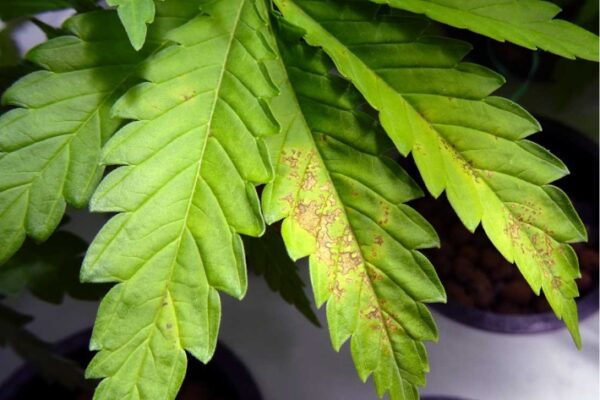
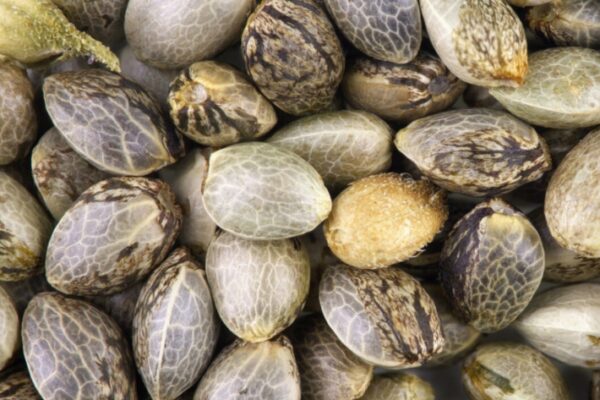
Here are a few fun lacto pics from times I’ve used it in my garden. I will cover using lacto to make fermented plant extract (FPE) in a future article. Hopefully, this serves to show you the possibilities or gets you thinking of ways you could put lacto to work in your own garden.

This article was inspired by Soup





Leave a Reply
You must be logged in to post a comment.